
“My ICD Is My Safety Net”

How Georg found his way back to life after cardiac arrest and gained greater peace of mind in everyday life.

Image
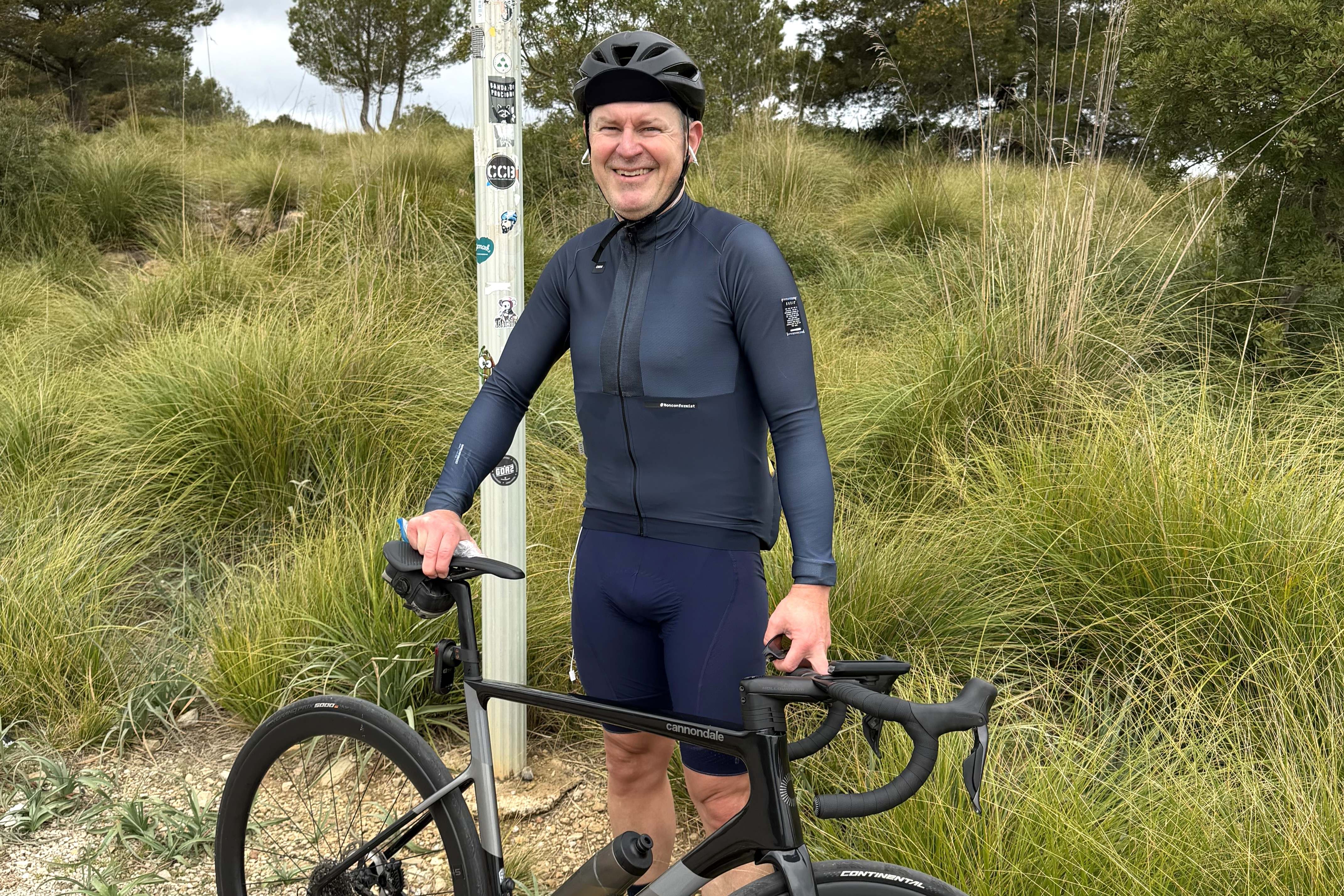
Georg im Herbst 2018 mit dem Rennrad

When Georg set out on his road bike in the fall of 2018, he felt he was in the best shape of his life. He had recently completed a multi-day cycling vacation and was training regularly. Nothing suggested that his life was about to change that day. “I thought I was extremely fit. I had no feeling that anything was wrong with me,” Georg recalls.

On his way home from a training ride of about 120 kilometers (75 miles), he tackled a familiar climb, as he had done many times before, and pushed hard all the way to the top. Once he reached the summit, the then 49-year-old lost consciousness.

What happened next is something Georg only knows from others’ accounts. Another cyclist immediately noticed the accident. By chance, a cardiologist was nearby and began CPR right away. Emergency responders arrived shortly afterward.

At the hospital, doctors determined that a narrowing of the coronary arteries had triggered ventricular fibrillation. Georg was placed in a medically induced coma and treated with stents.

The Decision to Get an ICD

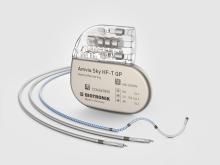
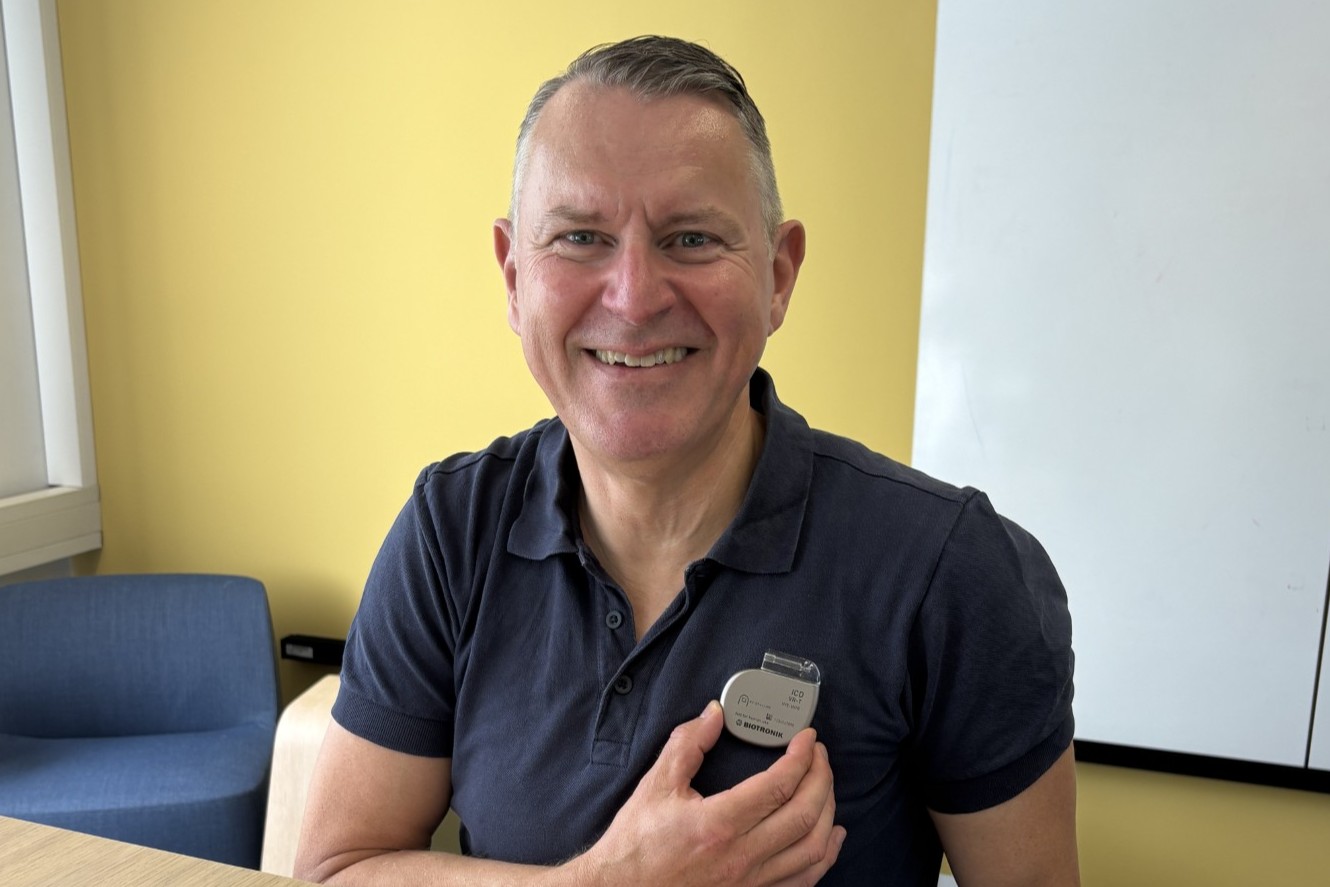
When Georg regained consciousness, his physician recommended implanting an ICD (implantable cardioverter-defibrillator). “At first, I was shocked,” Georg says. “I had never really looked into ICDs before and didn’t fully understand what it meant.”

After several in-depth conversations, however, he quickly realized the role the device could play in his future. “They explained that the ICD could save my life if a similar situation ever happened again. That convinced me.”

Through a friend, Georg was already familiar with BIOTRONIK and deliberately chose a BIOTRONIK system. He was particularly interested in Home Monitoring, which enables continuous remote monitoring of his implant. “I’m very interested in technology. The idea of having an extra layer of safety through Home Monitoring immediately appealed to me.”

Back on the Bike

Following the implantation, Georg focused on cardiac rehabilitation, follow-up appointments, and gradually returning to everyday life. Shortly after the incident, he was told that he would probably never be able to ride intensively again. Reality turned out differently. “Since then, I’ve ridden more than 25,000 miles,” he says today.

Above all, the ICD has given him confidence. “I’m grateful to have it because I know it’s there if something happens. For me, it’s like a safety net.”

Greater Transparency with BIOTRONIK Home Monitoring and the Patient App

Since receiving a replacement ICD, Georg has also been using the BIOTRONIK Patient App. It complements his Home Monitoring system by allowing him to view important information about his implant directly on his smartphone, document symptoms, and send that information to his physician.

He finds the clear status overview especially helpful. The app enables him to see at a glance whether his implant and battery are functioning properly and when the most recent data transmission took place.

“It gives me even greater peace of mind in everyday life and reassures me that my implant will do exactly what it’s supposed to do in an emergency.”
Part of Everyday Life

Today, the ICD is simply part of Georg’s life without defining it. 

For people who are about to receive an ICD, he offers encouragement: “At first, it feels like a foreign object. But you get used to it much faster than you’d expect. Eventually, you hardly think about it anymore.”


Note: The experiences described are those of the individuals shown and may not be representative of all patients. Results may vary. Not all patients are candidates for the therapies or devices described. Only a physician can determine the appropriate treatment option based on an individual's condition.